From a Local Vision to a National Mission: The Journey of the Philippine Error of Refraction Prevalence Study
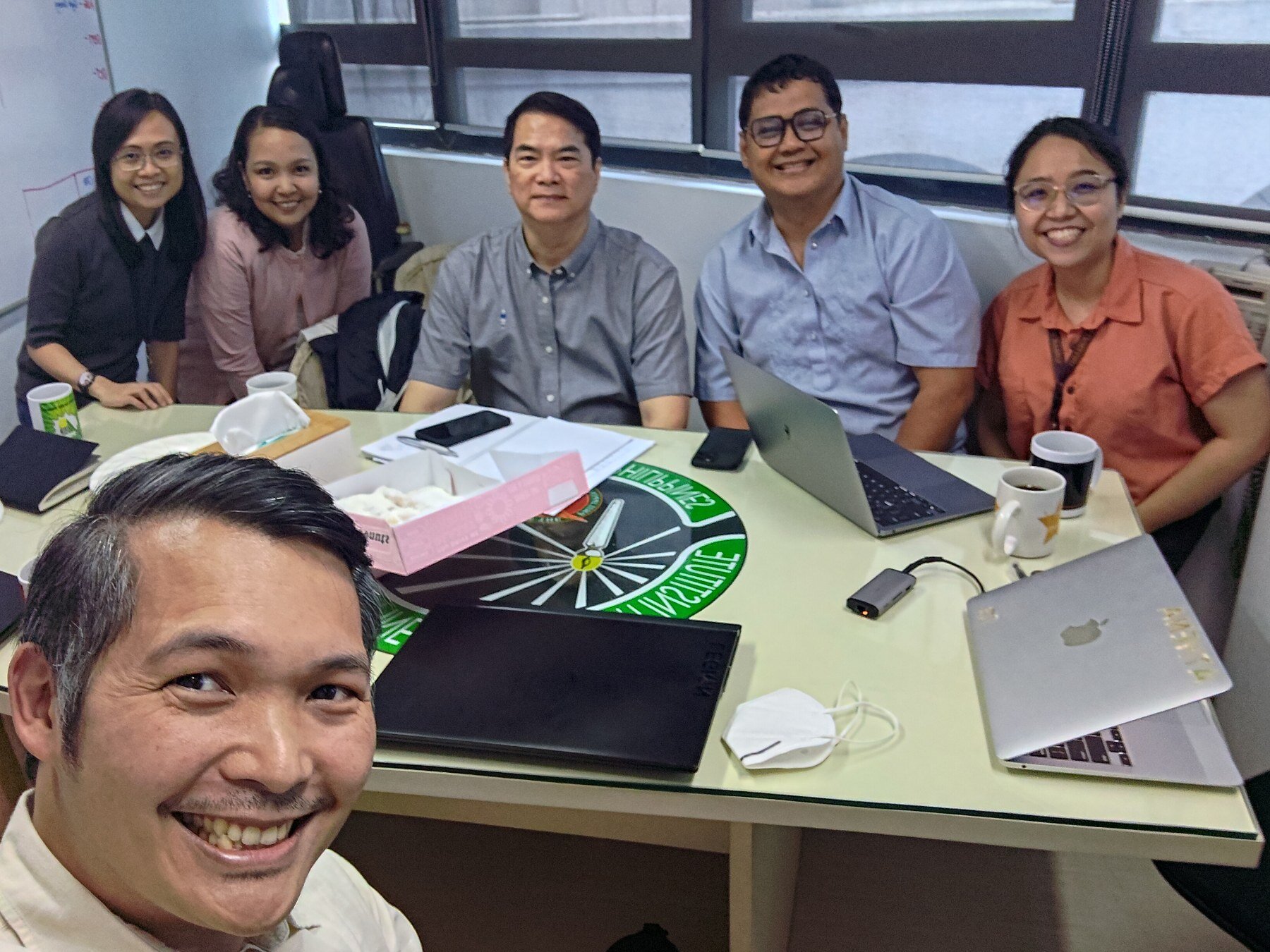
By Dr. Jose Antonio T. Paulino
Great ideas often begin quietly.
The Philippine Error of Refraction Prevalence Study that I have the privilege of leading did not begin as a nationwide undertaking. It started as a simple local research concept—a project intended to better understand the burden of uncorrected refractive errors within my own community. At that time, the goal was straightforward: to generate meaningful local data that could help improve eye care services where I practiced.
Little did I know that this modest idea would eventually evolve into something much larger.
One of the greatest blessings of joining the Philippine Academy of Ophthalmology Leadership Development Program (PAO-LDP) was learning that leadership is not merely about managing people—it is about recognizing opportunities, building collaborations, and transforming ideas into initiatives that create lasting impact. Through the guidance, encouragement, and unwavering mentorship of the PAO-LDP faculty and committee– what was once a small local project steadily grew into a national endeavor.
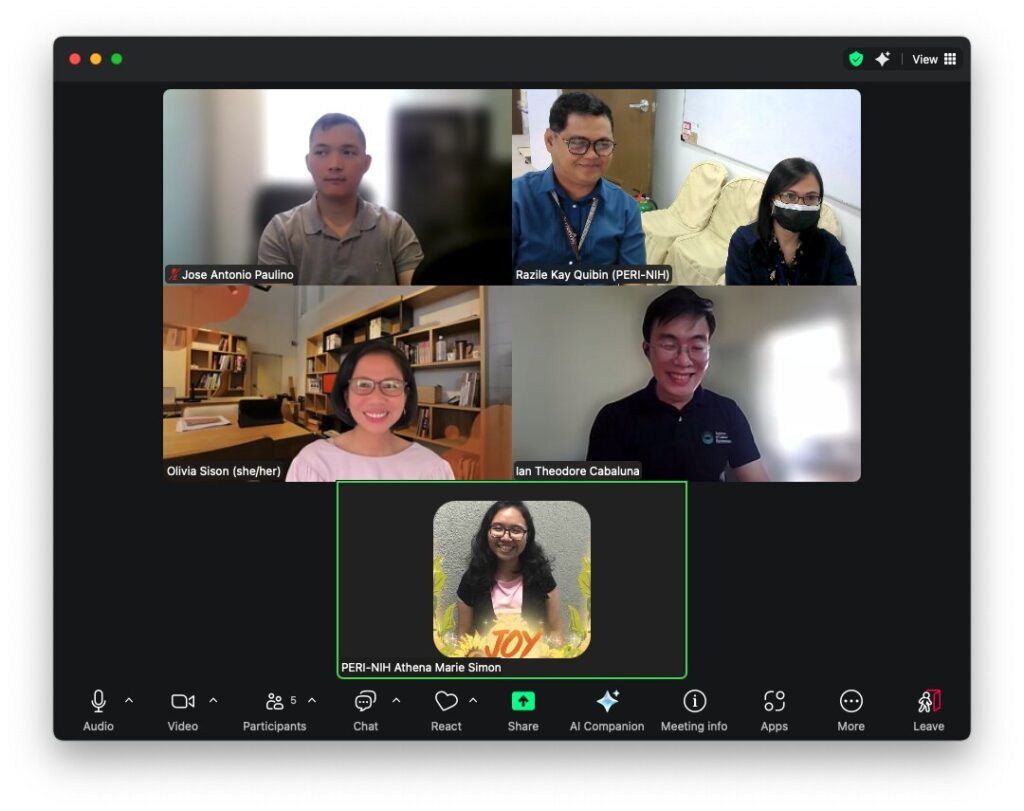
Today, I am deeply humbled that this initiative was able to encompass the entire Philippines. As an Adjunct Faculty member of the Philippine Eye Research Institute (PERI), I now have the privilege of spearheading this nationwide prevalence study in partnership with the Integrated Philippine Association of Optometrists (IPAO), the Institute of Clinical Epidemiology of the National Institutes of Health (UP Manila), all with the generous support of the Department of Health.
This project represents more than a research study. It represents the power of collaboration among ophthalmologists, optometrists, epidemiologists, public health experts, government agencies, and academic institutions—all working together toward a common goal of generating reliable national data that can guide policies, resource allocation, and future eye care programs for every Filipino.
The journey, however, has been anything but easy.
Like every worthwhile endeavor, there were numerous hurdles, unexpected challenges, revisions, delays, and moments of uncertainty. There were speed bumps that tested both patience and resolve. Yet through every obstacle, I was never alone. The mentors who believed in this project—from the Philippine Academy of Ophthalmology Leadership Development Program—walked beside me every step of the way. Their wisdom, encouragement, constructive criticism, and genuine commitment to developing future leaders transformed setbacks into opportunities for growth.
They taught us that leadership is not defined by the absence of difficulties, but by the courage to move forward despite them.
There is a saying that when one door closes, another window opens. Looking back, I now realize how true those words have become. Opportunities that I never imagined eventually presented themselves because of the foundation built through the PAO Leadership Development Program. The skills, confidence, and network that the program nurtured opened doors that allowed a local research idea to become a national initiative with the potential to influence the future of eye health in the Philippines.
For this, I am profoundly grateful.
As this project moves forward, I remain hopeful that the evidence we generate will contribute to stronger national eye care policies, more equitable access to refractive services, and ultimately, better vision and better lives for generations of Filipinos.

About the author:
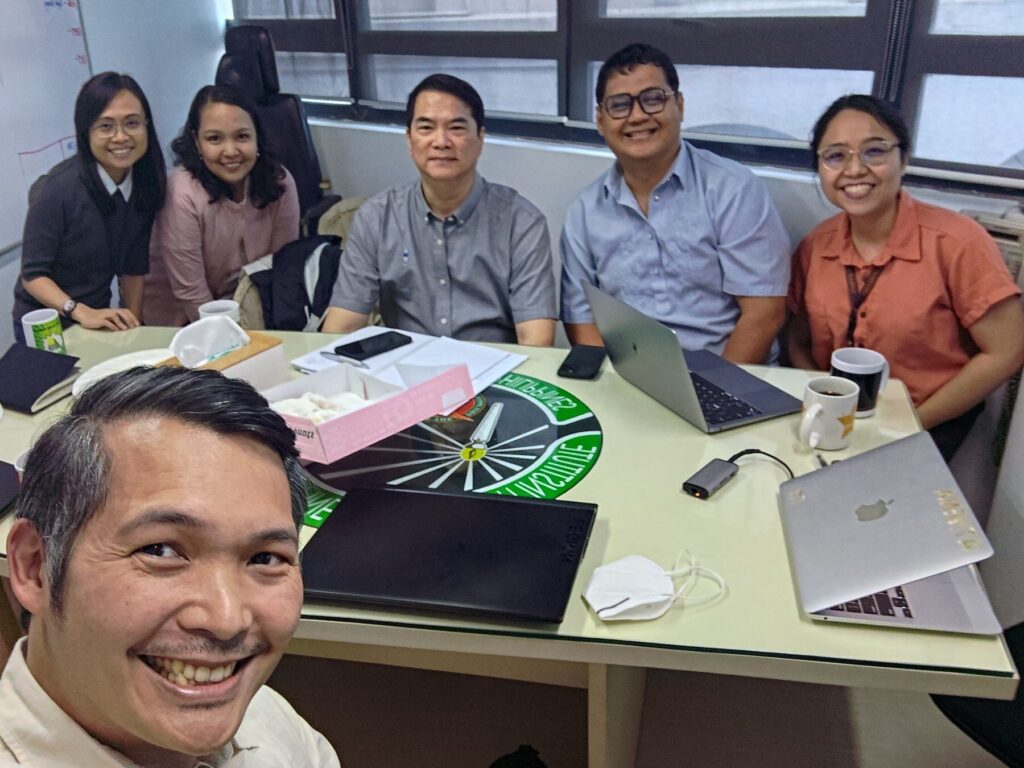
Dr. Jose Antonio Tan Paulino, MHA is a pediatric ophthalmologist and currently serves as Chairman of the Department of Ophthalmology at Pagamutan ng Dasmariñas. He is an Adjunct Faculty member of the Philippine Eye Research Institute, where he is actively involved in clinical research and public health initiatives in ophthalmology. His interests include pediatric eye care, clinical epidemiology, medical education, a designer of art toys and a graphic novel author. Dr. Paulino is a graduate of the 2024 Philippine Academy of Ophthalmology Leadership Development Program (PAO-LDP).