Celebrating 25 Years of Community Eye Care through Bright Eyes for a Brighter Future: Empowering Teachers, Detecting Childhood Vision Problems, and Building a Sustainable School-Based Eye-Care Program
By Dr. Antonino P. Hidalgo
For 25 years, Bright Eyes for a Brighter Future has brought a simple but important message to public schools: children need to see clearly to learn effectively and reach their full potential.
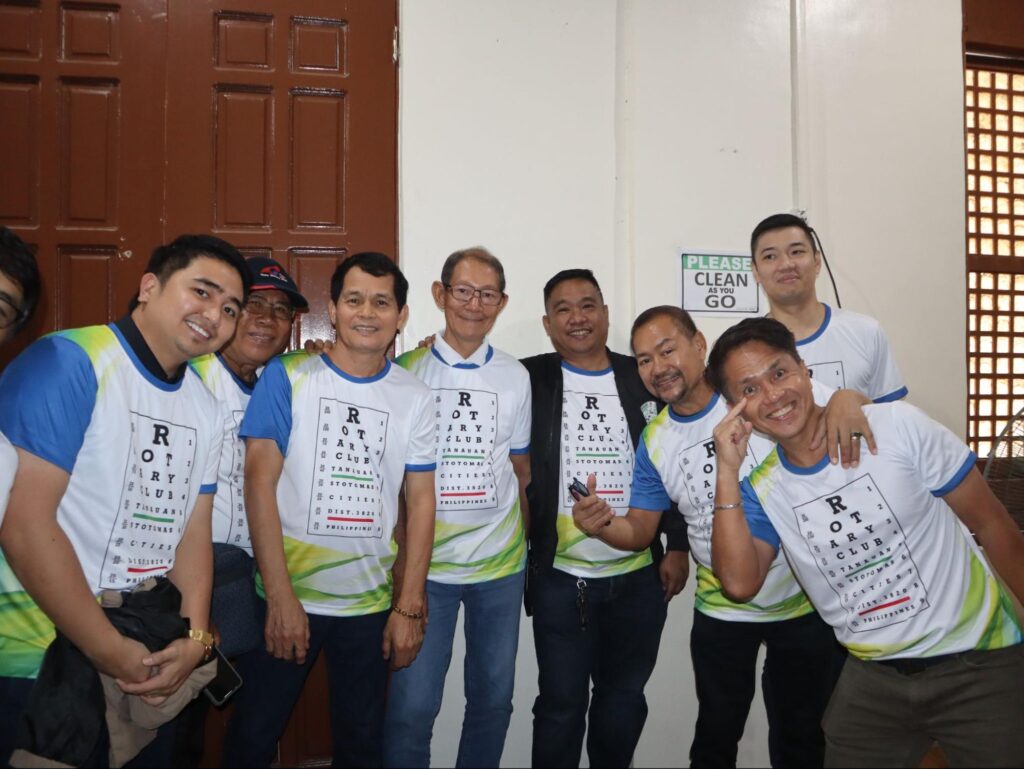
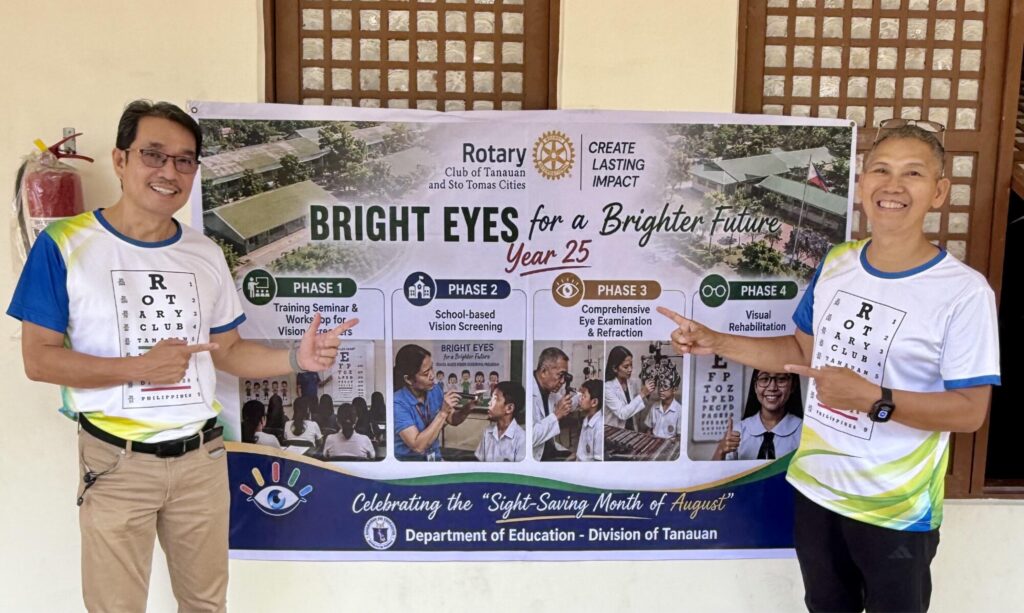
The flagship Avoidable Blindness Program of the Rotary Club of Tanauan and Sto. Tomas Cities (RCTASC) marked its 25th anniversary in 2026 by continuing its school-based approach to the early detection of childhood visual problems.
The program traces its beginnings to 2001, when Ophthalmologist and Rotarian Antonino P. Hidalgo, MD, DPBO, FPAO, then Club Secretary and Disease Prevention Chairman, conceived and launched the initiative under the leadership of then Club President Tintin Afable. It was designed as a sustainable community-based model for detecting childhood visual impairment and linking children to appropriate eye care.
Over the succeeding years, Bright Eyes for a Brighter Future has been implemented in hundreds of public elementary schools across Tanauan and Sto. Tomas, as well as Talisay, Laurel, and Malvar in Batangas. Its 25-year history reflects a continuing effort to bring basic vision screening closer to children who may otherwise have limited access to eye-care services.
The 25th anniversary is therefore more than a milestone. It provides an opportunity to reaffirm the importance of early detection, timely referral, and appropriate treatment of childhood vision problems.
Empowering Teachers as the First Line of Detection
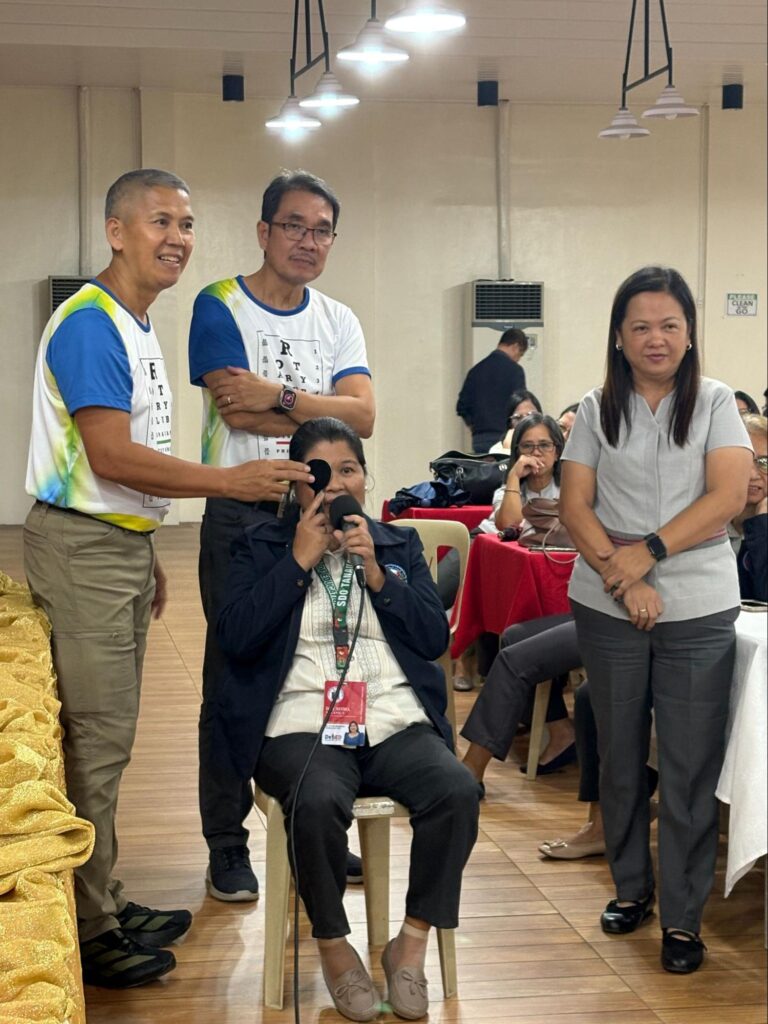
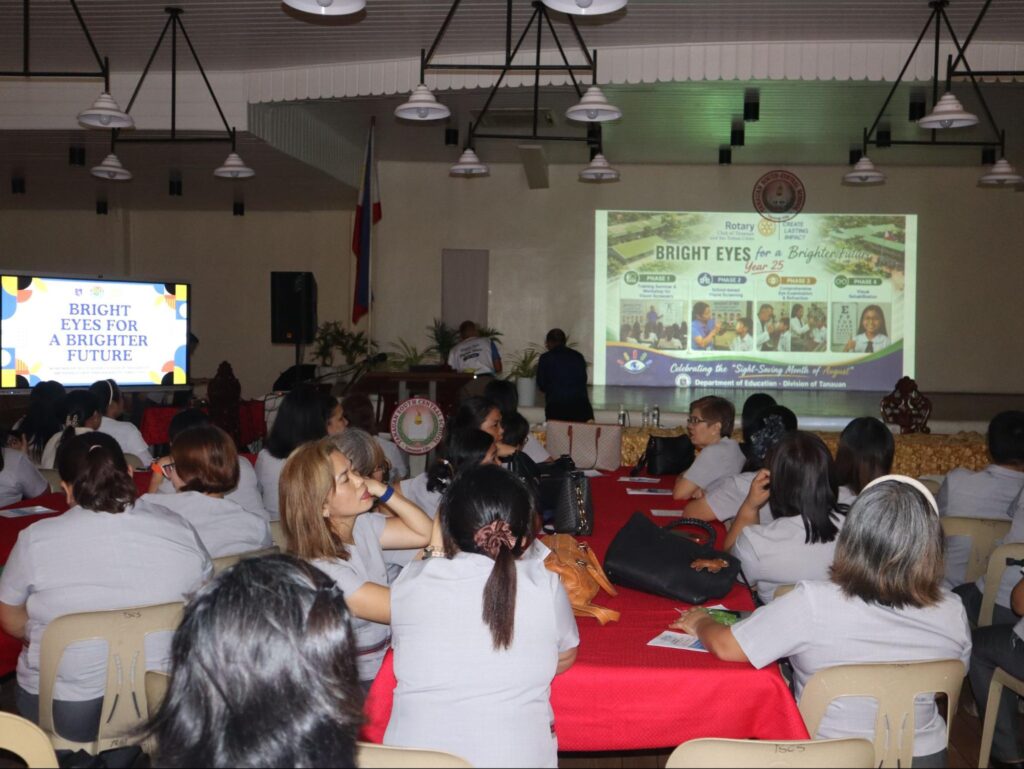
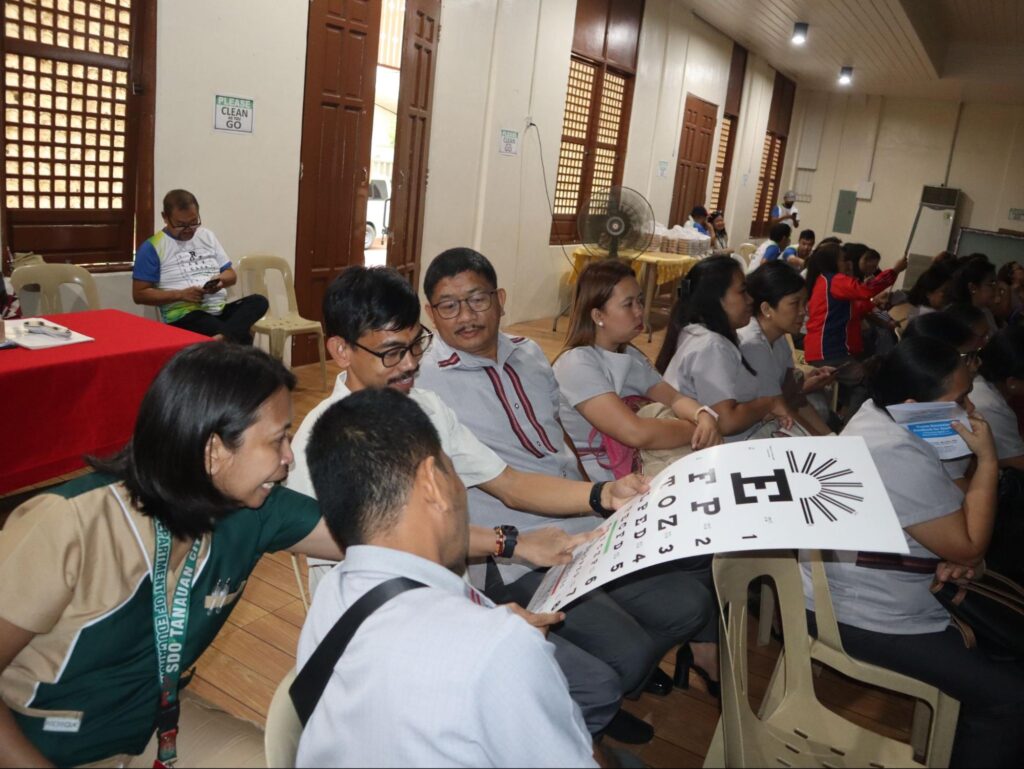
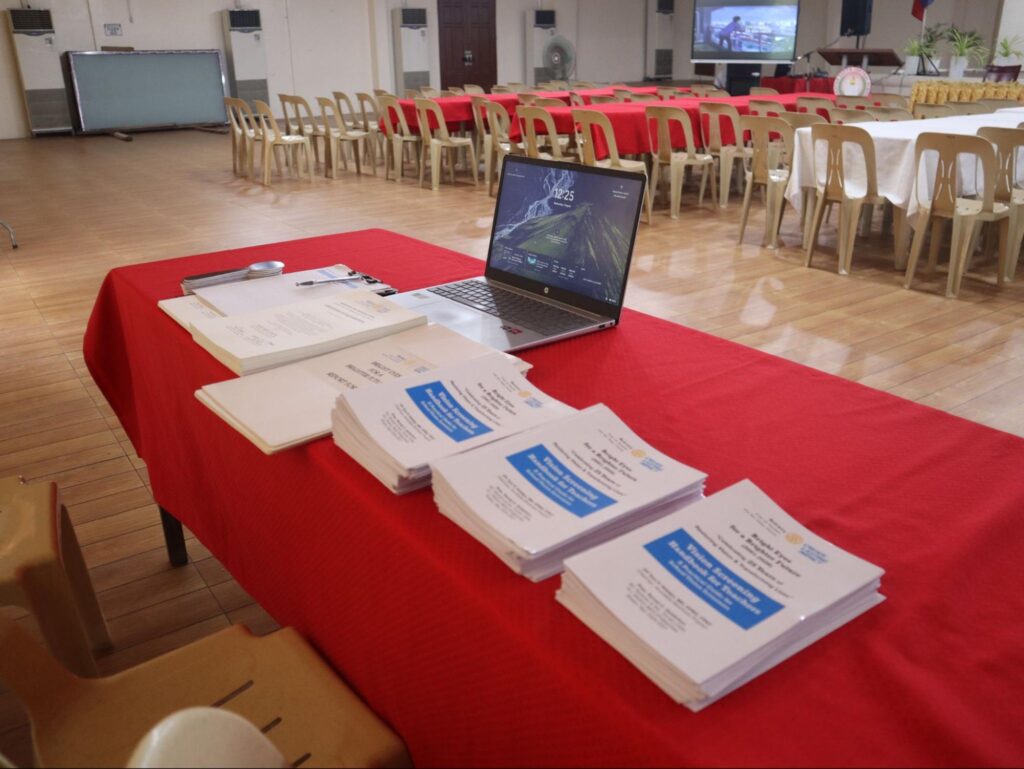
The 25th-anniversary activities formally began on August 5, 2026, at Tanauan South Central School (TSCS) with Phase 1—an Orientation Seminar, Training and Workshop on Vision Screening.
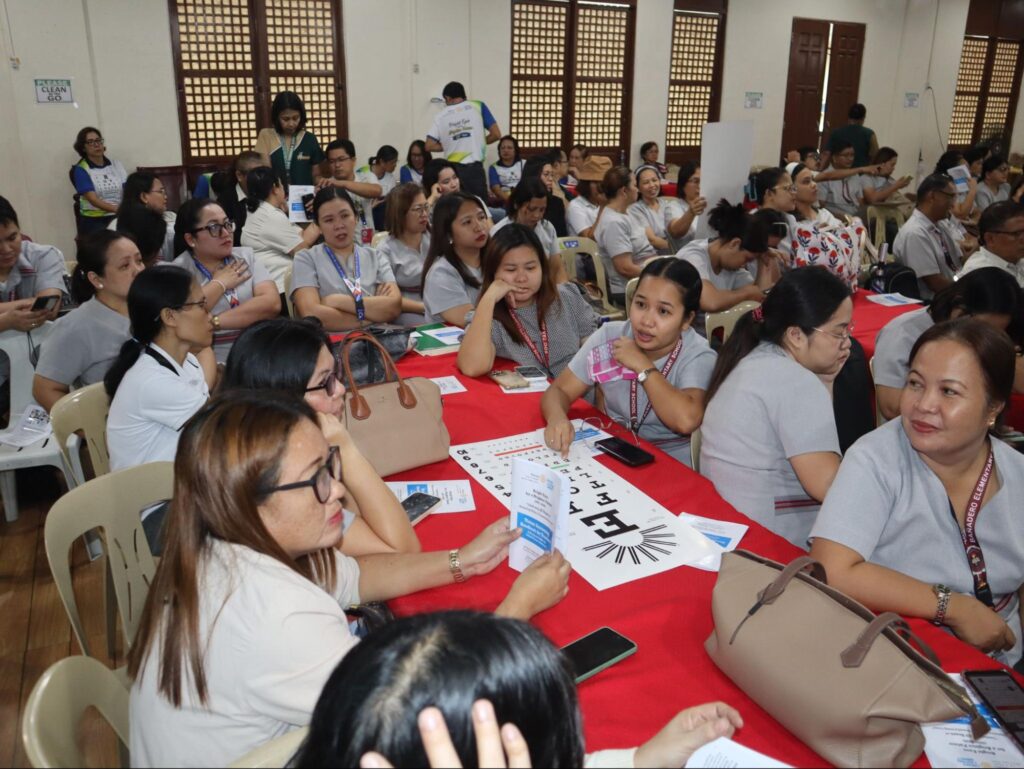
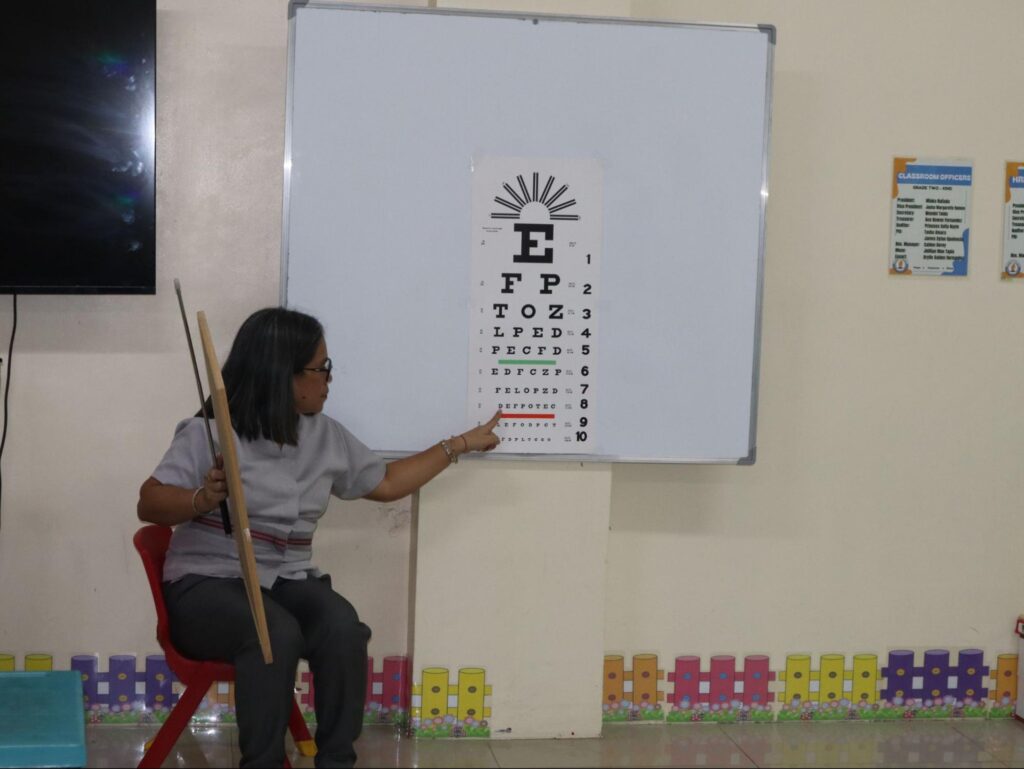
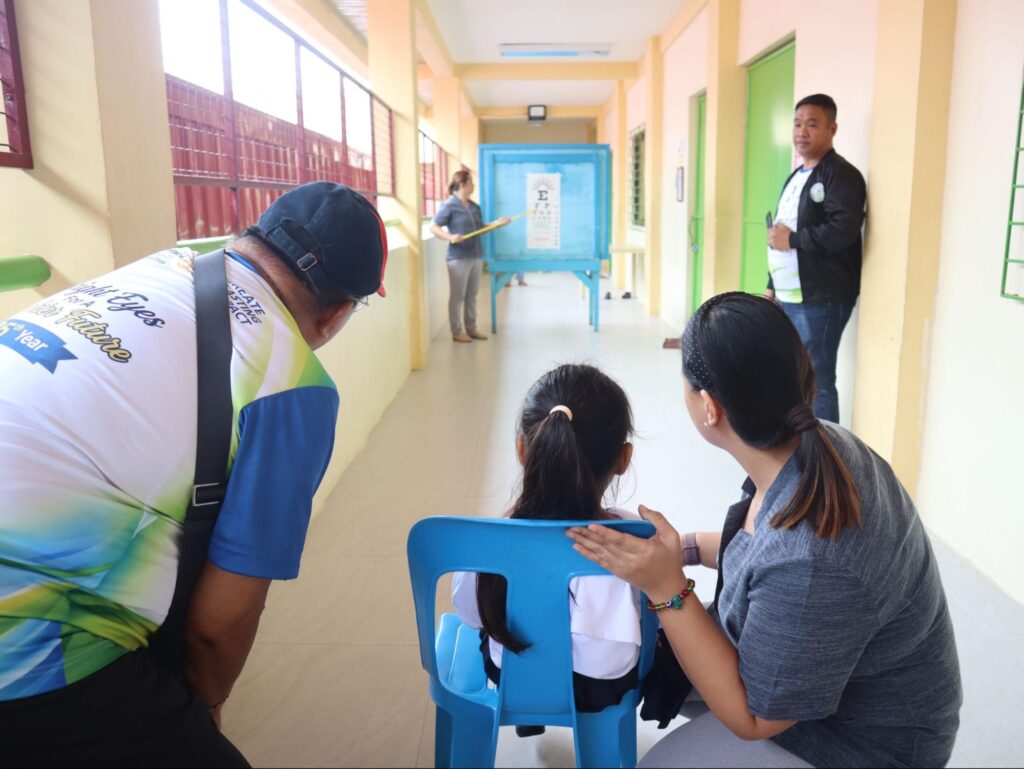
Despite heavy afternoon rains, 157 public school teachers from seven public elementary schools of the South District of the Schools Division of Tanauan City participated in the training. The training focused on practical school-based vision screening. Teachers were instructed on the proper use and interpretation of the Snellen visual acuity chart, appropriate testing distance and technique, documentation of findings, and recognition of children who should be referred for further evaluation.
A hands-on workshop followed the seminar, allowing teachers to practice vision testing on fellow participants under supervision. The strategy recognizes the unique position of teachers. Teachers see their pupils every school day. They may be the first to notice when a child repeatedly squints, moves closer to the board, has difficulty reading, or struggles with visually demanding classroom activities.
1,125 Children Screened
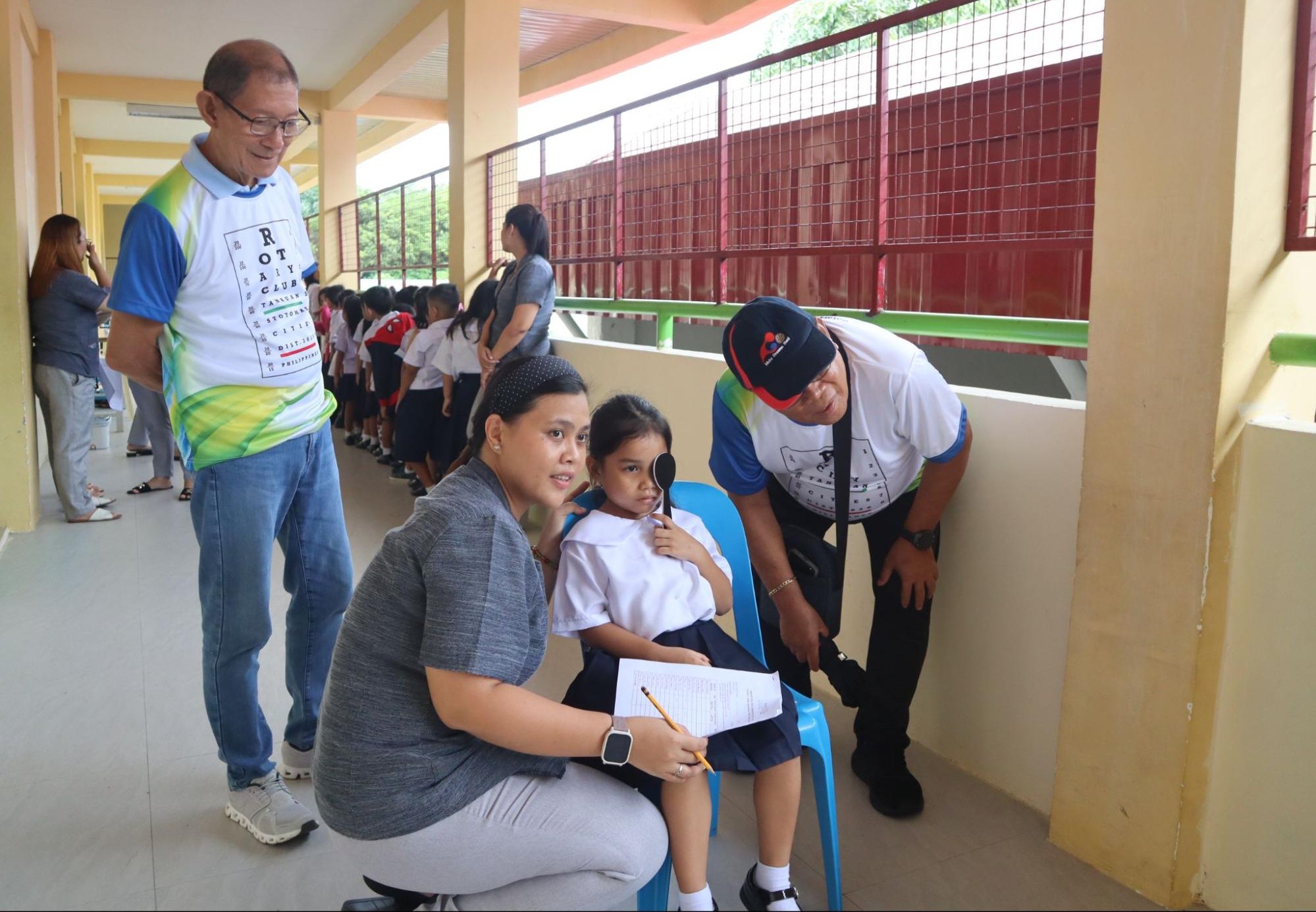
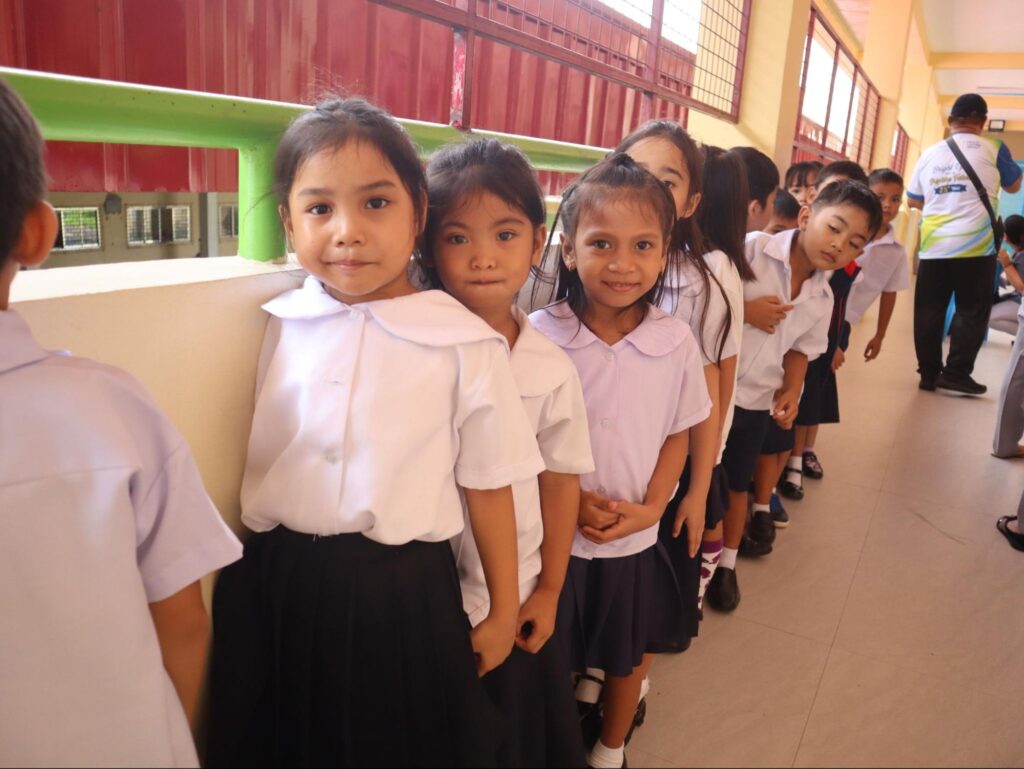
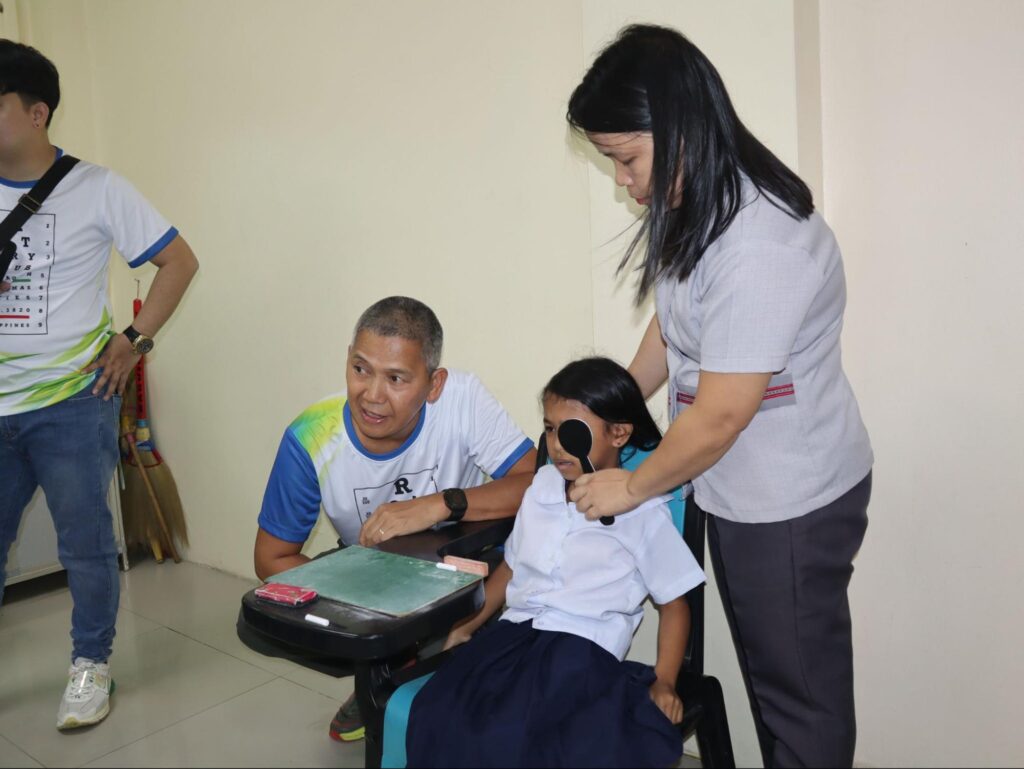
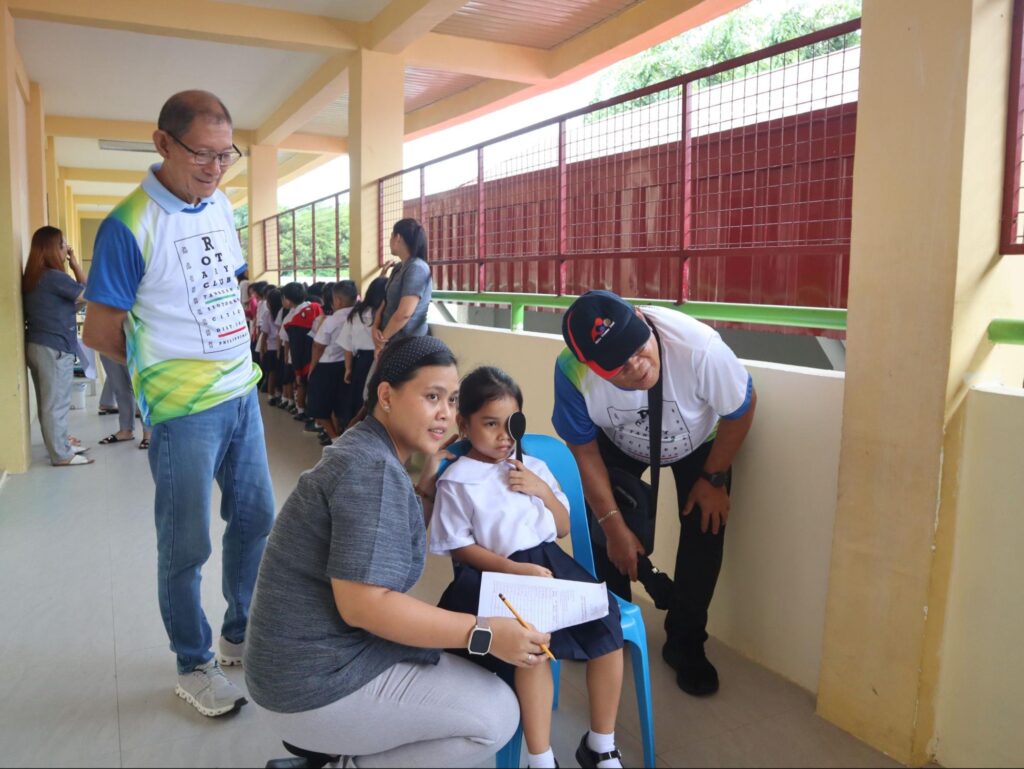
Phase 2—School-Based Vision Screening—was conducted from August 6 to 25, 2026.
The newly trained teachers brought the screening process directly into their schools, testing the visual acuity of 1,125 Grade 1–6 students enrolled in the Department of Education’s ARAL Program.
The inclusion of children across the elementary grades is particularly important because visual problems can remain undetected during the formative school years. Early identification, including during the approximately 8–12-year-old period, provides an opportunity to address vision problems before they continue to interfere with reading, classroom participation, and educational development.
Despite the torrential rains and frequent postponement of classes, a total of 1,125 students were screened, of which 280 were identified for referral to Phase 3 for comprehensive eye examination and refraction.
The results also provided an important lesson for educators. A child who appears inattentive, has difficulty reading, or performs below expectations may not necessarily lack ability or motivation. An undetected vision problem can be one of the factors affecting classroom performance.
The screening process therefore serves not only as a means of detecting reduced visual acuity, but also as an opportunity to increase awareness of the relationship between vision and learning.
Phase 3 – Bright Eyes for a Brighter Future: From Screening to Sight
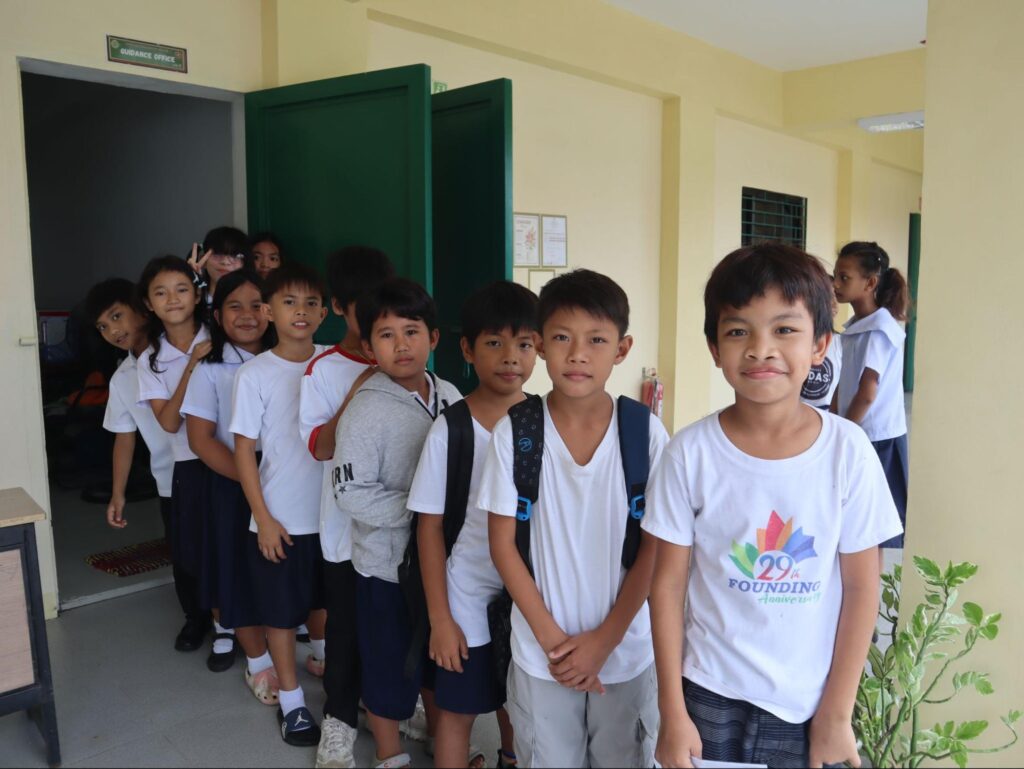
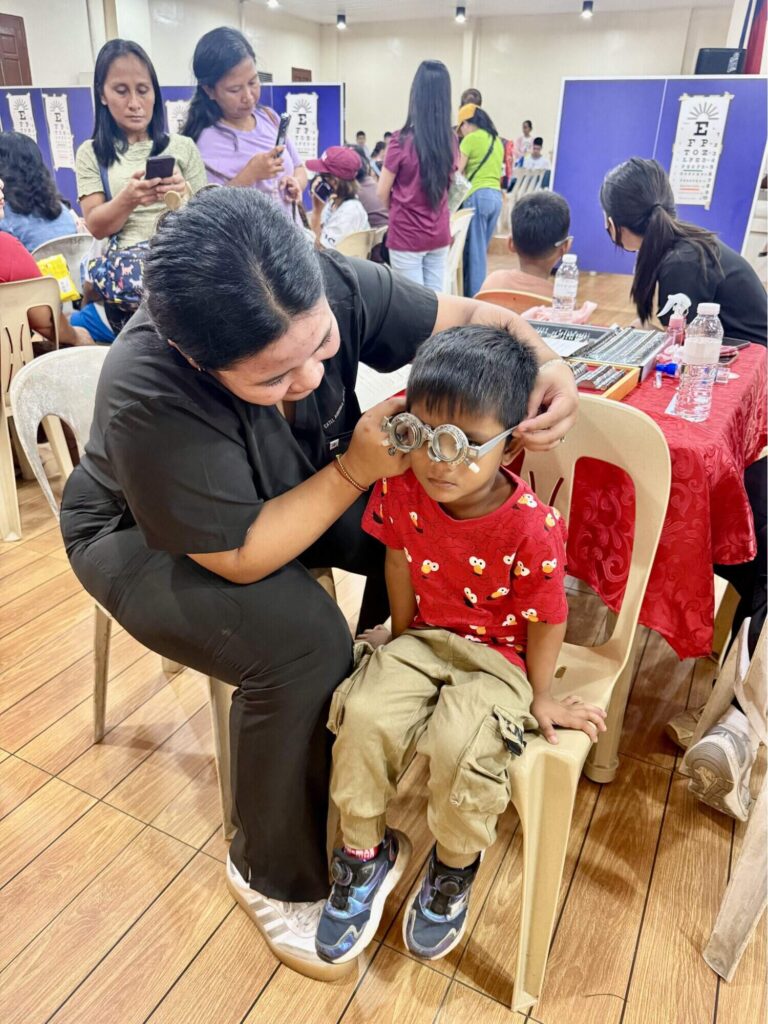
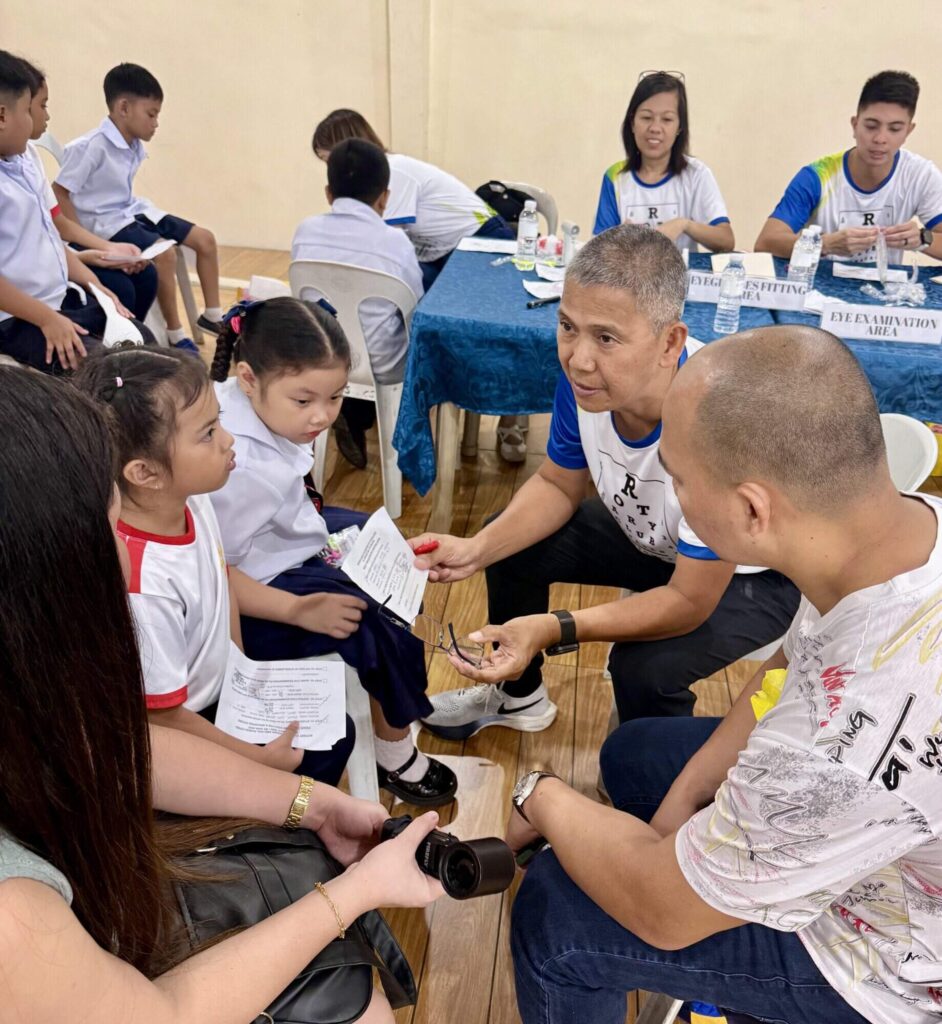
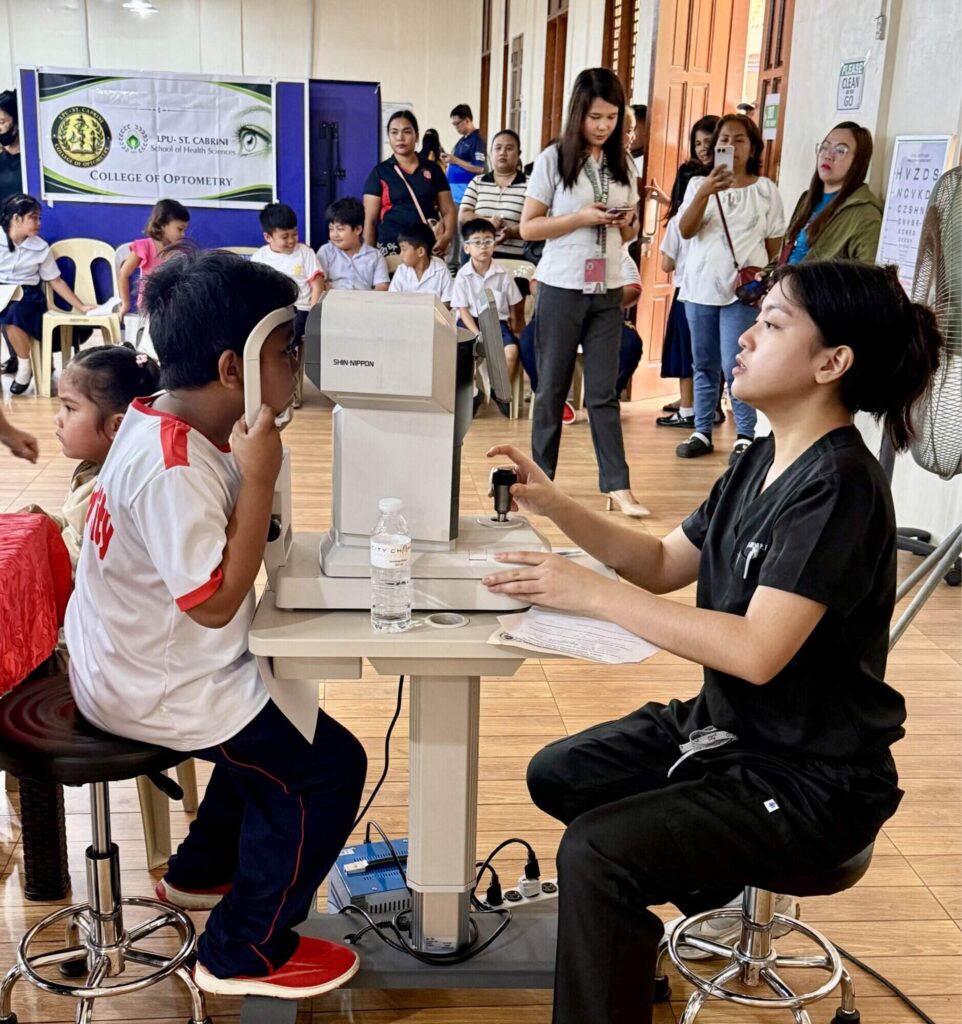
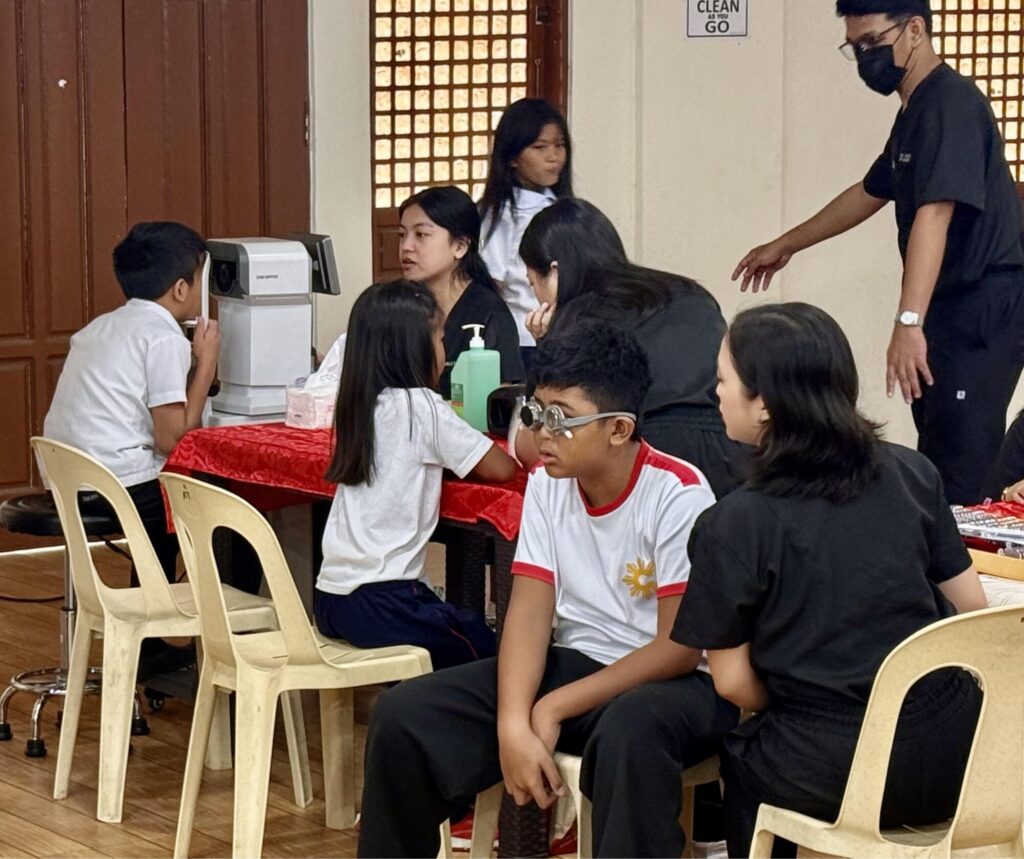
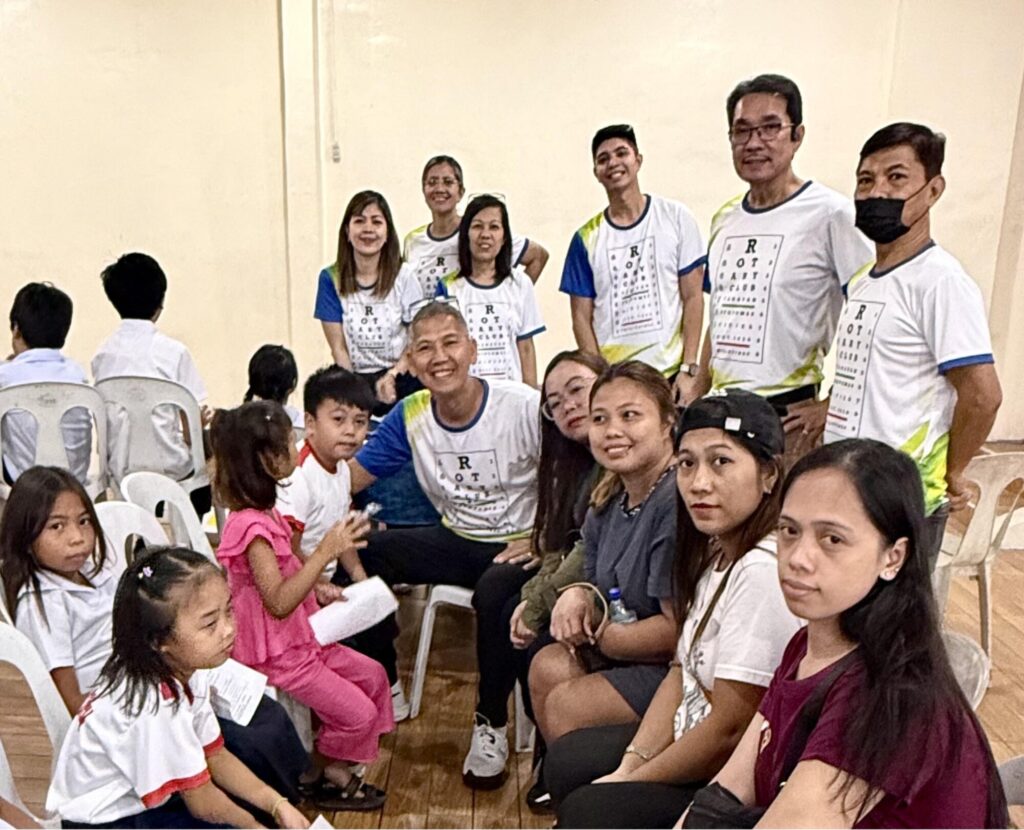
On September 17, 2026, the Rotary Club of Tanauan and Sto. Tomas Cities conducted Phase 3 of “Bright Eyes for a Brighter Future – Year 25” at Tanauan South Central School (TSCS), bringing the project one step closer to its culminating phase.
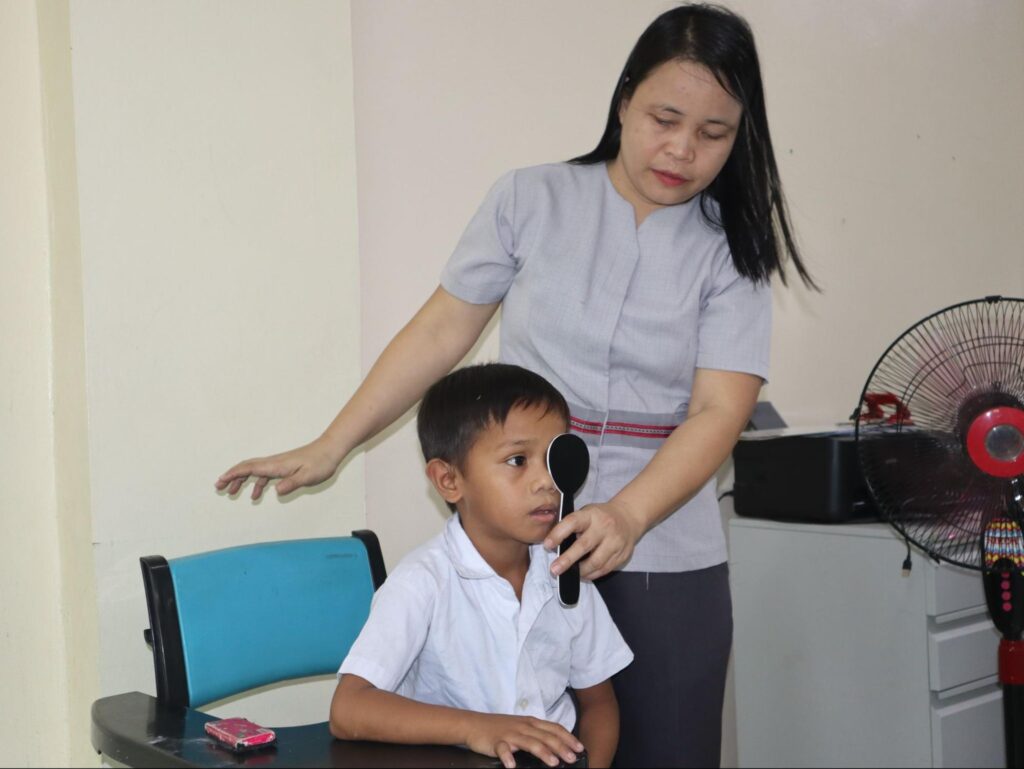
Following the training of teachers as vision screeners and the subsequent school-based screening of Grade 1–6 students, 280 children were identified as needing further eye evaluation. Of these, 182 students (65%) came for comprehensive eye examination and refraction.
The clinical evaluation revealed 110 children with significant errors of refraction, whose eyeglasses are now being processed. Three children were already wearing appropriate corrective lenses. Seven were found to have strabismus—four with esotropia and three with exotropia—while two children will undergo cycloplegic refraction for further evaluation. Interestingly, 37 children were found to have 20/20 vision upon comprehensive examination and required no further visual intervention at this stage.
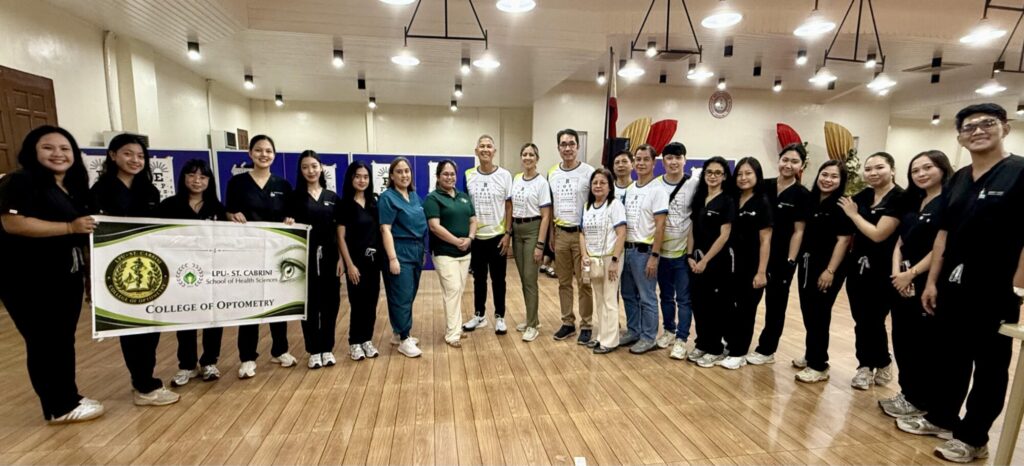
The activity was made possible through the collaboration of the Rotary Club of Tanauan and Sto. Tomas Cities, DepEd Schools Division Office of Sto. Tomas City, Tanauan Medical Society, and the Lyceum-St. Cabrini School of Optometry. The volunteer optometrists, led by Dean Jasmin Grace de Leon-Salcedo, provided the refraction services, while Rotarians, Rotary spouses, teachers, and parents helped facilitate the activity.
For an ophthalmologist who has been involved in community eye care, the experience is a reminder that vision screening is only the beginning. Identifying a child who may have poor vision must lead to proper examination, diagnosis, correction, and follow-up. Equally important is educating parents and teachers, who play a continuing role in ensuring that children receive appropriate eye care.
After 25 years, Bright Eyes for a Brighter Future continues to demonstrate the value of bringing eye-care professionals and community organizations together. Because helping a child see clearly is more than correcting a refractive error—it is helping that child see a brighter future.
A Community Partnership Centered on the Child
The program’s strength lies in bringing together different sectors with complementary roles.
- The Department of Education and participating schools provide access to the children and the school environment in which screening takes place.
- Teachers contribute their time, training, and close familiarity with their pupils.
- Ophthalmologists and optometrists provide the professional expertise required for examination, diagnosis, refraction, treatment, and referral.
- Rotary volunteers provide the organizational framework, resources, and community-service platform that help bring these efforts together.
Beyond 25 Years
The experience accumulated over 25 years provides a foundation for the next chapter of Bright Eyes for a Brighter Future.
Following the current implementation in the seven schools of the South District, RCTASC plans to explore expansion to the remaining 37 public elementary schools under the North, East, and West Districts of the Schools Division of Tanauan City, within this school year or the next.
The objective is not simply to conduct more screenings. It is to continue developing a sustainable school-based system for early detection, referral, and access to appropriate eye care.
Twenty-five years after its beginnings, Bright Eyes for a Brighter Future continues to demonstrate what can be achieved when schools, teachers, eye-care professionals, government, civic organizations, and volunteers work together.
For the children who are identified, examined, treated, or provided with their first pair of eyeglasses, the impact may begin with something as simple as seeing the classroom more clearly.
Because when children see better, they have a better opportunity to learn better—and to build a brighter future.
ABOUT THE AUTHOR:
Dr. Antonino P. Hidalgo is the past president of the Rotary Club of Tanauan and Sto. Tomas Cities and the Chairman of its Avoidable Blindness Committee.